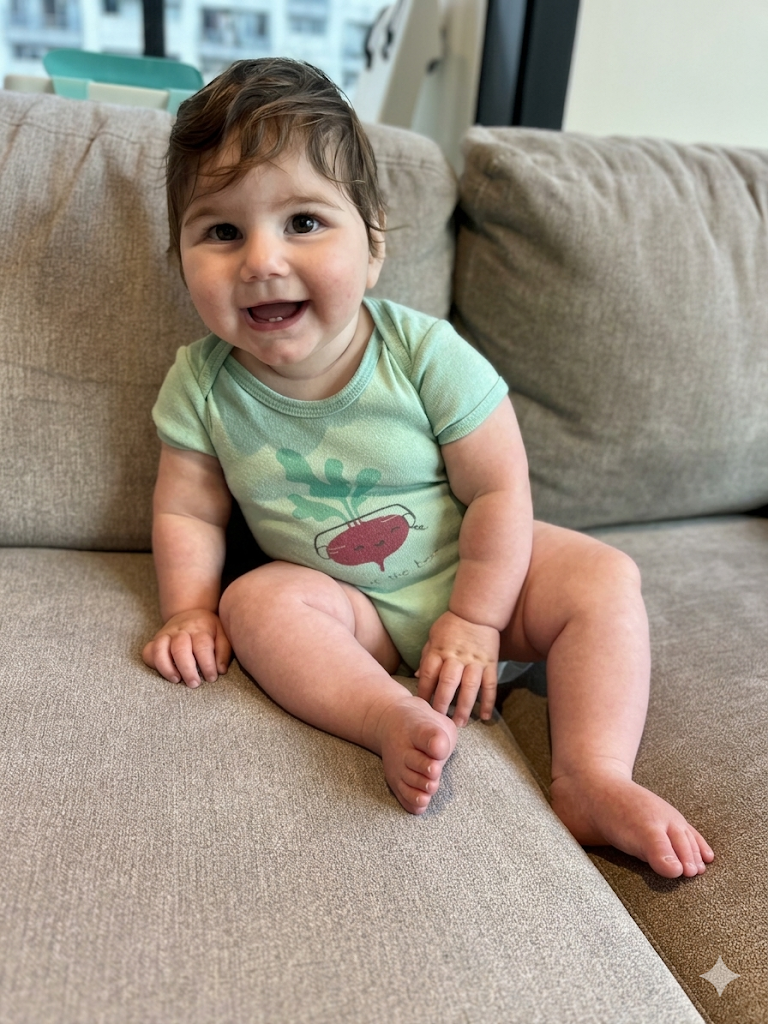
When our daughter Molly was born, she seemed perfect to us — tiny, curious, and deeply loved from the very first moment. Our family of four — my wife Jenny, our older daughter Maya, Molly, and me — quickly settled into life with a new baby. But as the months passed, we began to notice that Molly's development wasn't following the path we expected.
At first the differences were subtle. Molly struggled to roll and sit, which other children her age seemed to achieve more easily. We went from appointment to appointment, hoping for answers but often leaving with more questions. Like many families facing an unfamiliar condition, we spent months searching for someone who could explain what was happening.
Only after Molly started developing seizures which triggered more tests, we received a diagnosis we had never heard of before: SLC1A4 Deficiency, a genetic condition that affects brain development. In that moment our world shifted. Learning that so few patients had ever been identified was both frightening and isolating. There were no clear treatment pathways, very little research, and almost no community of families who had walked this road before us.
But Molly is so much more than a diagnosis.
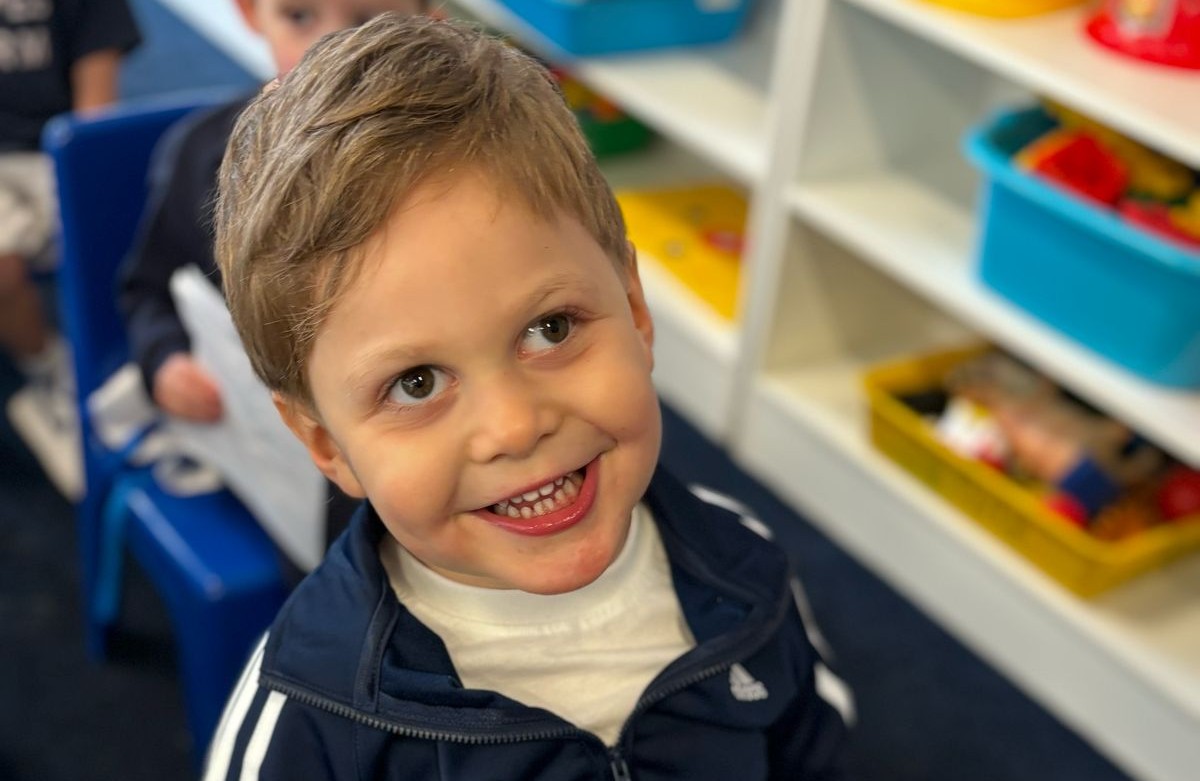
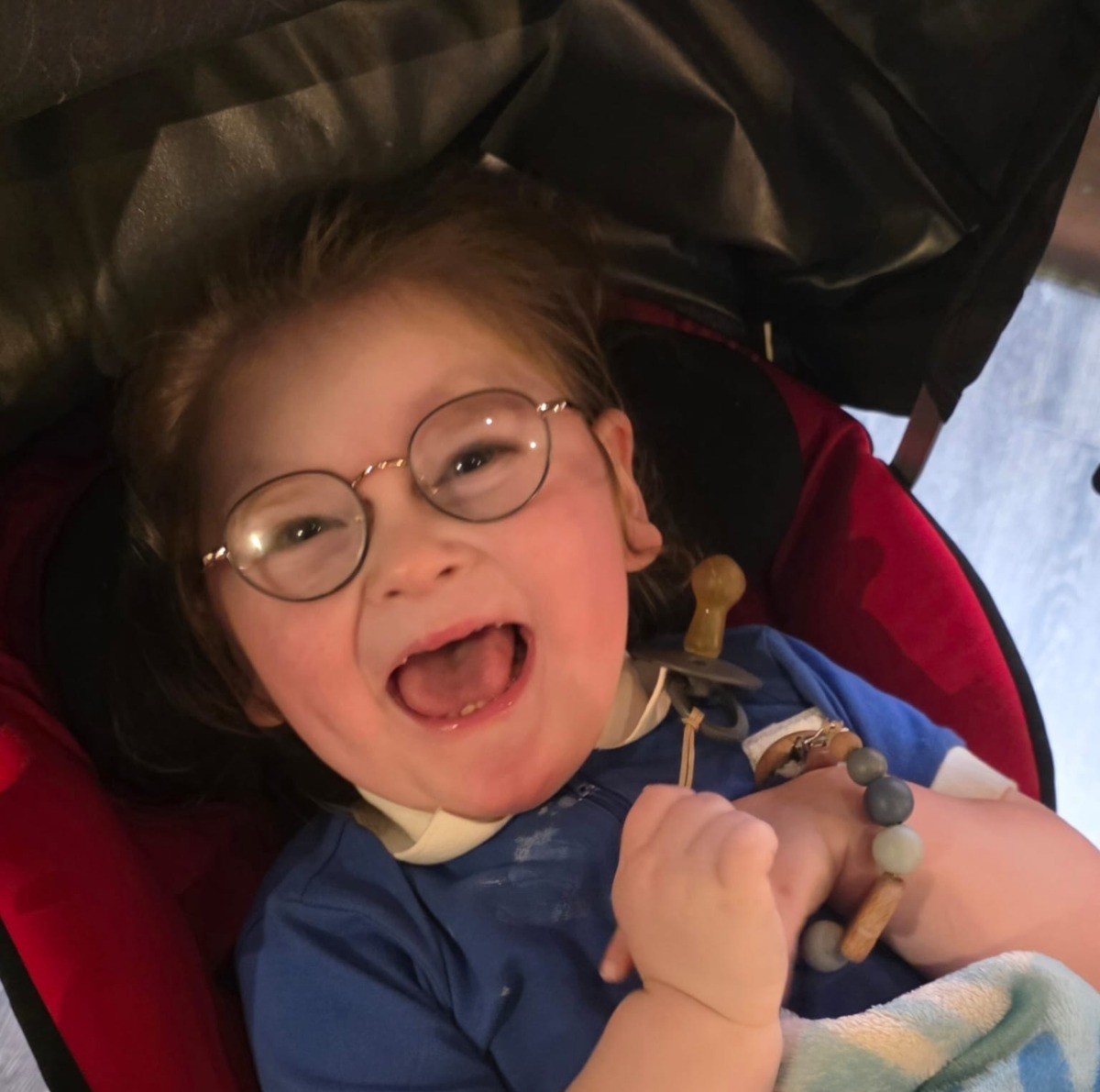
She is joyful, expressive, and has a smile that lights up a room. Maya is an incredibly loving big sister who celebrates Molly's victories — no matter how small — with enthusiasm and pride. As parents, Jenny and I have learned to measure progress differently. Every milestone Molly reaches is hard-won and deeply meaningful.
Receiving Molly's diagnosis also gave us a new sense of purpose. Progress only happens if families come together, share their experiences, and support research. We realized that if we want a better future for Molly and children like her, we have to help build it.
That's why the Jewish SLC1A4 Initiative matters so much. Connecting families, researchers, and clinicians is the only way to accelerate understanding of conditions like SLC1A4 Deficiency and move toward meaningful treatments.
Our hope is simple: that by sharing Molly's story, we can help ensure that no family facing this diagnosis feels alone, and that one day children like Molly will have real therapeutic options.
Molly has already changed our lives in ways we never expected. She has taught us resilience, patience, and the power of hope. And we believe that with the right community and commitment to research, her story — and the story of this disease — is only just beginning.
— Jenny & Josh, Molly's parents